

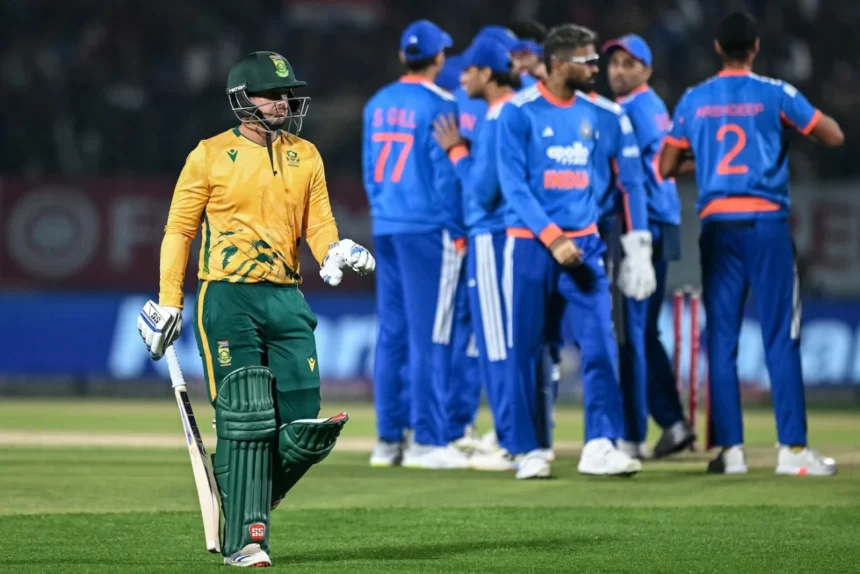
The rivalry between the India National Cricket Team and the South Africa National Cricket Team stands among the most competitive and compelling matchups in modern cricket. Unlike older rivalries rooted in colonial history, this contest developed in the modern era yet quickly became one of the most intense battles in international cricket.
India brings massive fan support, technical batting depth, and growing fast-bowling strength. South Africa counters with elite athleticism, world-class pace attacks, and some of the sharpest fielding standards in the sport. When these two sides meet, the clash is rarely one-sided — instead, it is usually decided by fine margins, individual brilliance, or adaptability to conditions.
This detailed guide presents India National Cricket Team vs South Africa National Cricket Team stats across formats, including head-to-head records, venue analysis, batting and bowling milestones, tactical trends, and historical evolution now enhanced with necessary tables and point sections for clarity.
Historical Background
Official matches between India and South Africa began in 1991, following South Africa’s return to international cricket. Despite the late start compared to other rivalries, the competition quickly intensified.
Key Historical Milestones
- 1991 — First official series after South Africa’s readmission
- Late 1990s — South Africa dominated with superior pace attacks
- Early 2000s — India began closing the gap in ODIs
- 2010s onward — Rivalry became balanced across formats
- Modern era — India competitive in South Africa; SA improving in Asia
Early encounters exposed India’s difficulties on fast, bouncy pitches, while South Africa struggled on spinning tracks in the subcontinent. Over time, both teams evolved, creating a rivalry defined by adaptability rather than home dominance alone.
Head-to-Head Record Across Formats
The India National Cricket Team vs South Africa National Cricket Team stats show remarkable balance, especially in the modern era.
Combined Head-to-Head Snapshot
| Format | Matches | India Wins | South Africa Wins | Draw/NR |
|---|---|---|---|---|
| Tests | 40+ | Close | Close | Several |
| ODIs | 90+ | Competitive | Slight SA edge historically | Few |
| T20Is | 25+ | Nearly equal | Nearly equal | Occasional |
What These Numbers Indicate
- No sustained dominance by either team across all formats
- South Africa historically stronger in ODIs
- India stronger at home in Tests
- T20Is almost perfectly balanced
- Neutral-venue matches highly unpredictable
Test Match Statistics
Test cricket best reveals the contrasting strengths of both teams.
South Africa traditionally excels in seam-friendly conditions, while India historically dominated spin-friendly home pitches. However, modern Indian teams possess a formidable pace attack, reducing the traditional disadvantage overseas.
Test Rivalry Characteristics
- Matches often low-scoring due to bowling dominance
- Fast bowlers decisive in South African conditions
- Spinners crucial in Indian conditions
- Draws less common in recent years due to result-oriented pitches
Test Performance Comparison
| Factor | India Strength | South Africa Strength |
|---|---|---|
| Home Advantage | Spin tracks | Pace & bounce |
| Overseas Record | Improving | Traditionally strong |
| Batting Style | Technique & patience | Power & back-foot play |
| Bowling Core | Spin + pace mix | High-quality fast bowling |
Key Trends in Test Matches
- First-innings totals heavily influence outcomes
- Batting last is extremely difficult in both countries
- Sessions of dominance often shift dramatically
- Individual performances frequently decide matches
One Day International (ODI) Statistics
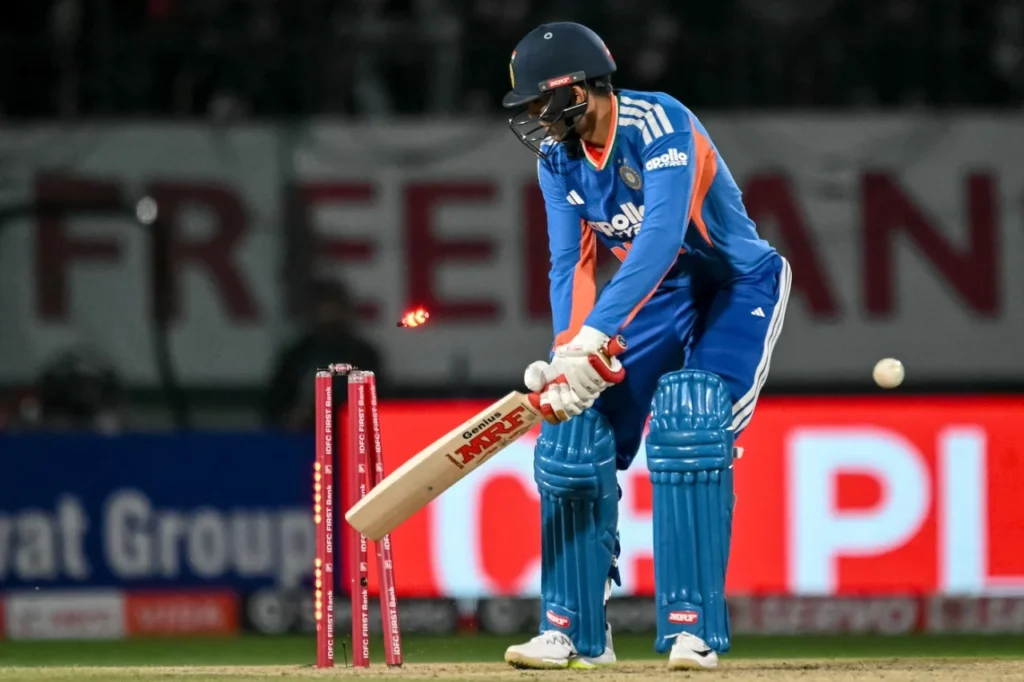
ODIs have produced some of the most entertaining contests between these sides.
South Africa dominated this format in the late 1990s and early 2000s due to athletic fielding and balanced squads. India later surged ahead with explosive batting lineups and tactical innovation.
ODI Head-to-Head Insights
- High-scoring matches common in modern era
- Chasing teams often successful
- World Cup encounters carry added pressure
- Momentum swings frequently determine results
Typical ODI Match Dynamics
| Phase | Key Influence |
|---|---|
| Powerplay | Aggressive batting vs new-ball swing |
| Middle Overs | Spin control and strike rotation |
| Death Overs | Power hitting and yorker bowling |
Reasons for Close ODI Contests
- Deep batting lineups on both sides
- High fielding standards
- Tactical captaincy decisions
- Match-winning all-round performances
Twenty20 International (T20I) Statistics
T20 cricket compresses the rivalry into explosive three-hour contests.
Both teams possess players capable of changing the match in a few overs, making outcomes highly unpredictable.
T20I Rivalry Features
- Frequent last-over finishes
- Power hitting vs death bowling battles
- Importance of fielding intensity
- Tactical use of match-ups
T20 Strength Comparison
| Area | India | South Africa |
|---|---|---|
| Batting Depth | Very strong | Strong power hitters |
| Spin Options | Major advantage | Limited but effective |
| Pace Attack | Balanced | Express pace focus |
| Fielding | Improved greatly | Elite standard |
Why T20 Results Are Balanced
- Short format reduces home advantage
- Individual brilliance has outsized impact
- Toss conditions often decisive
- Momentum shifts rapidly
Venue-Wise Performance Comparison
Location plays a massive role in India National Cricket Team vs South Africa National Cricket Team stats.
Matches in India
Advantages for India
- Spin-friendly surfaces
- Heat and humidity
- Familiar conditions
- Massive crowd support
Challenges for South Africa
- Difficulty reading spin
- Slower outfields at some venues
- Pressure from large crowds
Matches in South Africa
Advantages for South Africa
- Fast, bouncy pitches
- Seam movement
- Athletic outfields
- Familiar pace conditions
Challenges for India
- Extra bounce uncomfortable for subcontinental batters
- Swing with new ball
- Cold weather conditions
Neutral Venues
- Reduced home advantage
- Balanced playing conditions
- Often used in ICC tournaments
- Matches depend heavily on team composition
Also Read: Lucknow Super Giants vs Delhi Capitals Match Scorecard
Batting Records and Milestones
Batting duels have defined many memorable encounters.
Indian batters traditionally emphasize technique, while South African players often rely on power and athletic stroke play.
Batting Achievements Seen in This Rivalry
- Double centuries in Tests
- Match-winning ODI hundreds
- Rapid T20 half-centuries
- Successful high-pressure chases
Batting Style Comparison
| Aspect | India | South Africa |
|---|---|---|
| Technique | Classical & compact | Aggressive & back-foot |
| Power Hitting | Controlled | Explosive |
| Spin Play | Strong | Improving |
| Pace Handling | Improving overseas | Traditionally strong |
What Often Decides Batting Success
- Adaptation to pitch conditions
- Ability to rotate strike
- Mental toughness under pressure
- Partnerships rather than individual scores alone

Bowling Records and Impact
Bowling strength is a defining feature of this rivalry.
South Africa’s pace tradition has produced devastating spells, especially at home. India’s modern attack combines high-quality fast bowling with world-class spin.
Bowling Match-Winning Factors
- New-ball breakthroughs
- Middle-overs containment
- Reverse swing in Tests
- Death-overs execution in limited formats
Bowling Style Comparison
| Category | India | South Africa |
|---|---|---|
| Fast Bowling | Rapidly improved | Historic strength |
| Spin Bowling | Major weapon | Secondary role |
| Variations | Strong in T20 | Strong in pace formats |
| Field Support | Improved | Traditionally elite |
Fielding and Athleticism
Fielding often provides the hidden advantage.
South Africa has long been considered among the best fielding teams globally, converting difficult chances into wickets. India has significantly improved fitness standards, closing the gap.
Fielding Impact Areas
- Run-saving inside the circle
- Boundary prevention
- Direct-hit run-outs
- High catches under pressure
Captaincy and Tactical Battles
Leadership decisions frequently determine outcomes in close matches.
Common Tactical Themes
- Aggressive pace usage by South Africa
- Spin control strategies by India
- Powerplay field placements
- Bowling rotations based on match-ups
Strong captains on both sides have used analytics, player roles, and situational awareness to gain small but decisive advantages.
Evolution in the Modern Era
Since the mid-2010s, the rivalry has become even more balanced.
Reasons for Increased Parity
- India’s improved overseas fast bowling
- South Africa’s adaptability to spin conditions
- Professional fitness programs
- Franchise-league experience
- Data-driven strategies
Younger players from both nations bring fearless approaches, ensuring matches remain high-intensity spectacles.
Memorable Matches and Turning Points
Several encounters between these teams are remembered as classics.
Characteristics of Iconic Matches
- Last-session Test finishes
- Dramatic ODI run chases
- T20 matches decided on final ball
- Individual performances under extreme pressure
Such games often shift psychological momentum heading into future series.
Future Outlook of the Rivalry
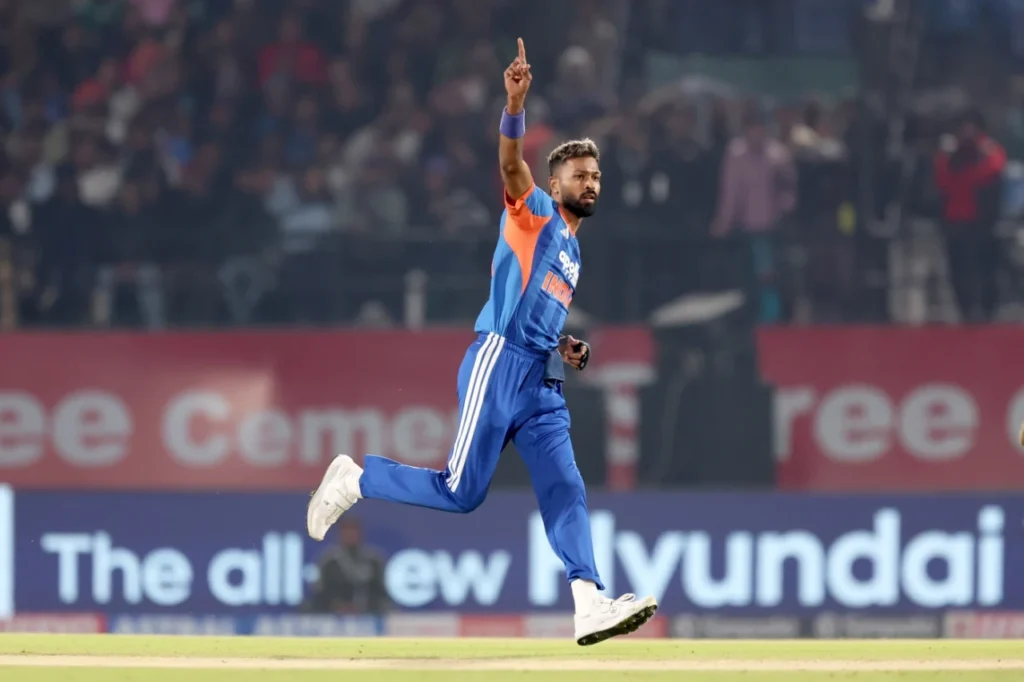
The India National Cricket Team vs South Africa National Cricket Team stats suggest that future contests will remain tightly contested.
Why the Rivalry Will Stay Strong
- Both nations have strong talent pipelines
- Financial stability supports development programs
- Tactical sophistication continues to grow
- Massive global fan interest
Upcoming bilateral tours and ICC events will continue to add new chapters to this modern cricket rivalry.
Conclusion
The statistical comparison between the India National Cricket Team and the South Africa National Cricket Team highlights one of the most balanced rivalries in contemporary cricket. Across Tests, ODIs, and T20Is, neither side has maintained long-term dominance, ensuring that every series carries genuine uncertainty.
From pace-dominated battles on South African pitches to spin-driven contests in India, from high-scoring ODI thrillers to unpredictable T20 clashes, this rivalry showcases the full spectrum of international cricket.
As both teams continue to evolve, fans can expect many more unforgettable encounters — making India vs South Africa one of the sport’s most compelling modern matchups.