

My buddy texted me mid-game last week. He was like, “bro they just called a slew foot, what even is that?” And I had a rough idea but I wanted to give him a proper answer, not just guess.
So I looked it up. Read through a bunch of stuff. And now I want to explain it to you the same way I explained it to him.
So What Is Slew Foot?
A slew foot is when a player sweeps another player’s legs out from behind or from the side using their leg or foot. The goal is to make them fall, and they usually go straight down onto their back or head.
Here’s the thing though. It’s not just a trip. A trip is usually from the front and can happen by accident. A slew foot almost always involves sweeping the legs while simultaneously pushing the upper body in the opposite direction.
That combination is what makes it its own penalty. You’re attacking two points at once. The person going down has no base, no warning, and zero chance to catch themselves.
Where Does the Term Actually Come From?
This is the part that actually got me curious. The word slew here is an old English term meaning to twist or rotate. So when someone slew foots you, they are essentially rotating your foot or sweeping it in a way that takes your base out completely.
It’s one of those sports terms that kind of sounds made up but actually has a real origin behind it. I find that stuff interesting, and I figured you might too.
Let Me Break Down What It Actually Looks Like
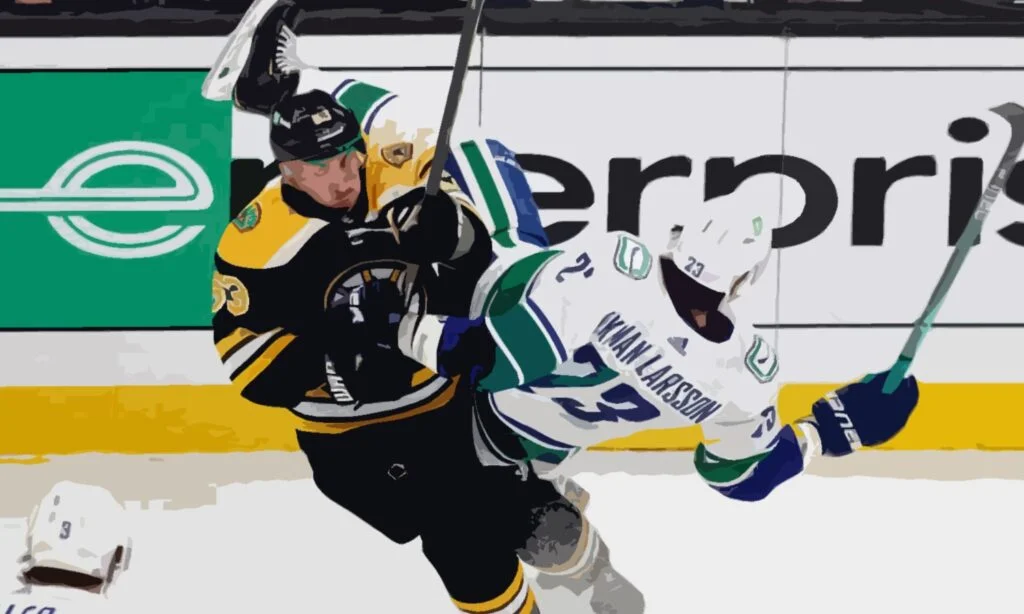
Picture two players battling along the boards. Bodies pressed together, both fighting for position. One player hooks their leg behind the other’s ankle or calf.
At the same time, they throw a push into the upper body. The victim’s legs go one way, their top half goes the other. It’s like the ground just disappears from under them.
And because it all happens in about half a second, you usually don’t see it clearly until the replay. In real time it just looks like someone suddenly fell.
The Part Nobody Talks About
Everyone focuses on the big dramatic plays that end up on highlight reels. But from what I saw when I was reading into this, a lot of slew foots happen in scrums, near the boards, and in tight spaces.
That’s the thing. Players who do this deliberately are smart about when they do it. They wait for a moment where bodies are tangled and the ref’s view is blocked.
The victim is usually focused on something else entirely. They’re protecting the puck or dealing with pressure from a different angle. And then out of nowhere the floor is gone. That’s what makes this different from regular physical play.
Why the Injury Risk Is Legitimately Scary
When you take a hit in sports, your body usually gets a split second to react. Your hands go out, your knees bend, your core tightens up. That natural response absorbs a ton of impact.
With a slew foot, that reaction time gets completely removed. The fall is sudden and uncontrolled. Players usually drop straight onto their back, and the back of their head often hits the surface first.
In hockey we’re talking about literal ice. Hard, flat, and completely unforgiving. I’ve watched some slew foot clips and once you understand why the person couldn’t protect themselves, it looks way worse than a regular fall.
That’s why this play gets treated as more than just a cheap shot. There’s a real path to serious head injury and spinal trauma here, and that changes how leagues look at it.
Where You’ll See This Called in Sports
Slew footing is talked about most in ice hockey. That’s really where the term lives. The NHL has specific rules around it and we’ve seen some big suspensions handed out over the years.
But it’s not only a hockey thing. You’ll see similar leg sweep actions flagged in basketball and rugby too. The core action is the same across all of them. You’re deliberately removing someone’s ability to stand by taking out their legs.
In hockey specifically, it doesn’t matter whether the player uses just their leg or combines a leg sweep with a body push. Both versions are illegal and both carry the same consequences. The league doesn’t really split hairs on the method.
How Refs Actually Spot It
I get why people ask this. The call is tough to make in real time. The move is fast, it usually happens away from the puck, and there are bodies everywhere.
From what I understand, refs are trained to look for the two-part action. The leg sweep and the upper body contact happening at the same time. That combination is the signature of a slew foot.
If it’s just a leg going out during a battle, that’s usually called as a simple trip, which carries a lighter penalty. But a confirmed slew foot is treated much more seriously. And here’s the part players need to know. Even if nothing gets called during the game, the league reviews footage after the fact and can still hand out discipline.
Getting away with it on the ice doesn’t mean you actually got away with it.
Also Read: Carlos Alcaraz Net Worth : How a 22 Year Old Already Made $50 Million
Can It Ever Be an Accident?
This is a fair question and I want to be real with you here. Two players can get their legs tangled in a way that looks similar to a slew foot but wasn’t intentional. Bodies collide at weird angles and weird things happen.
But here’s the thing. The classic slew foot involves that deliberate two-part movement happening at the same time. Your body doesn’t naturally do a leg sweep and an upper body push simultaneously unless you’re making that happen.
Refs and league officials know this. The two-part action is specifically what they’re looking for, and on video it tends to be pretty clear whether it was deliberate or just a tangle.
Why This Move Makes Players So Angry
Hockey is a physical sport. Everyone knows that going in. Body checks, boards play, scrums, all of that is part of the deal. But the slew foot sits in a different category for most players.
The reason is the vulnerability piece. In a normal hit, there’s some element of force meeting force. Both players at least have some awareness of what’s coming. With a slew foot, the person going down has absolutely no chance.
You’re not just hitting someone. You’re taking away their ability to protect themselves and letting the fall do the damage. I’ve seen players react to a slew foot with a level of anger you just don’t see after a regular check. And honestly, I get it.
What Actually Happens When It Gets Called
In the NHL, a slew foot typically draws a major penalty. That’s five minutes in the box, which is a massive power play opportunity for the other team and can completely flip a game.
Beyond the in-game call, the league reviews slew foot incidents separately from whatever happened on the ice. If the play is bad enough, the player gets suspended, fined, or both. We’ve seen multi-game bans for particularly dangerous ones, especially when the victim ends up hurt.
What I find worth pointing out is that the league has gotten noticeably stricter about this over time. As we’ve learned more about head injuries and long-term neurological damage in contact sports, the tolerance for unprotected falls has dropped significantly.
That’s not just optics either. It’s showing up in the length of suspensions and the way the league talks about these plays publicly.
The Difference Between a Slew Foot and Other Leg Penalties
Let me break this down quickly because I see people mix these up. A trip is when you catch someone’s skate or leg from the front or side and they go down. It’s usually ruled as accidental or at least less intentional.
A hook is when you use your stick to slow someone down or pull them back. That’s a stick penalty, not a body penalty.
A slew foot is specifically the combination of the leg sweep from behind or the side plus the simultaneous upper body contact. That’s what separates it from everything else. The two-part action is the definition.
My Honest Take on This Whole Thing
Look, I’m not here to tell you how physical sport should be. People have different opinions on that and I respect it. But from everything I read on this, the slew foot is one of those plays where I think the rules actually get it right.
The combination of the leg sweep, the upper body push, and the complete lack of warning for the person going down, that’s not a grey area to me. Whether it’s intentional or just reckless, the outcome is the same.
When I see a player get suspended for this, I don’t think the league is being soft. I think they’re protecting people from something with a real and serious potential for lasting damage. And from where I’m sitting, that’s the right call.
FAQs
What is a slew foot in hockey?
A slew foot is when a player sweeps an opponent’s legs out from behind or the side while pushing their upper body at the same time, causing an uncontrolled fall.
Is a slew foot always intentional?
Not always, but the two-part leg sweep and upper body push combo is hard to do by accident. Most confirmed calls involve deliberate movement.
What is the penalty for a slew foot in the NHL?
It typically results in a major penalty, meaning five minutes in the box. The league can also add suspensions or fines after reviewing the play.
What is the difference between a slew foot and a trip?
A trip usually involves catching someone’s leg from the front. A slew foot attacks from behind or the side while simultaneously pushing the upper body in the opposite direction.
Can you get suspended for a slew foot even if no penalty was called?
Yes. The NHL reviews incidents after games and can issue supplemental discipline regardless of what was called on the ice.
Does slew footing happen in sports other than hockey?
Yes. You’ll see similar leg sweep fouls in basketball and rugby. The term itself is most commonly used in the hockey world though.