

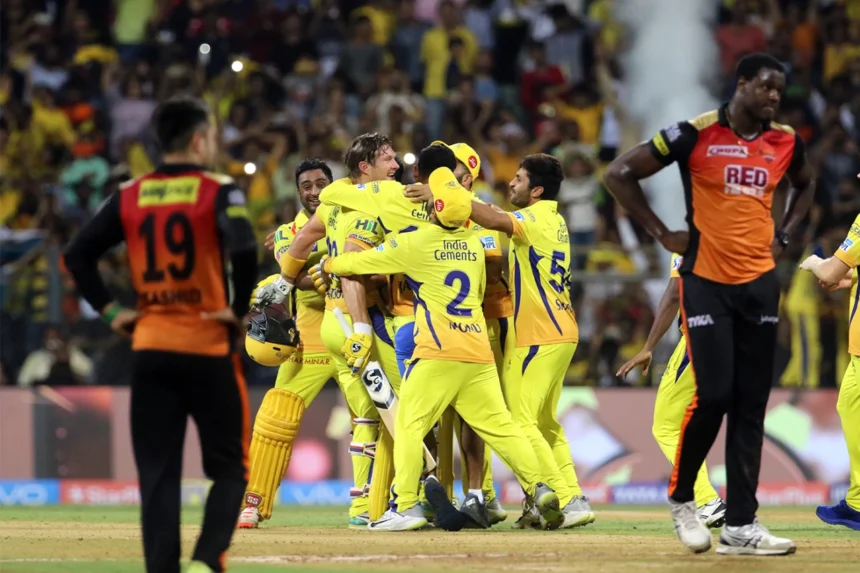
The question “who is baap of IPL” is one of the most searched and debated topics among cricket fans, especially those who closely follow the Indian Premier League. The phrase “baap” in this context means the ultimate boss, the most dominant figure, the player who owns the tournament through performance, influence, and legacy.
Unlike official awards such as Orange Cap or Purple Cap, this title is completely fan-driven and emotionally charged. It reflects long-term dominance rather than one-season brilliance. Since the IPL began in 2008, dozens of superstars have delivered unforgettable performances, making the debate complex and multi-layered.
Some fans judge greatness by trophies, others by individual records, consistency, match-winning ability, leadership, or impact under pressure. Because IPL combines sports, entertainment, and global marketing, the “baap” title can apply to a captain, a run machine, a finisher, or even a power hitter who changes the game in minutes. Therefore, answering who is baap of IPL requires a deep comparison across eras, roles, statistics, and influence rather than a simple one-line answer.
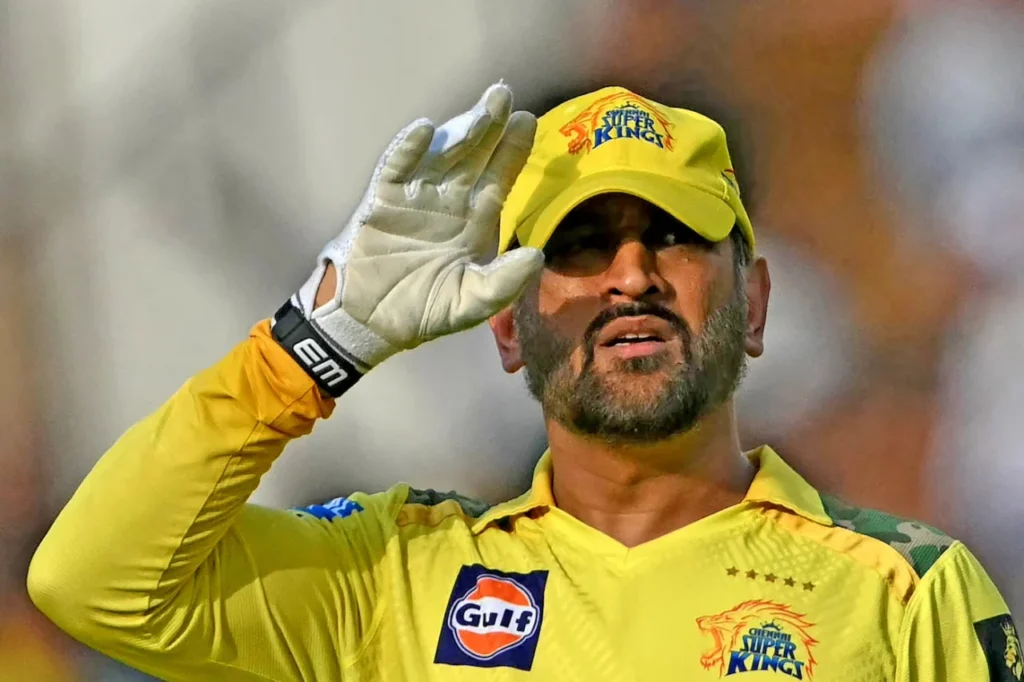
MS Dhoni The Undisputed Captaincy King of IPL
When leadership, clutch finishing, and long-term consistency are considered, MS Dhoni is most frequently called the baap of IPL. As captain of Chennai Super Kings, he built one of the most successful dynasties in franchise cricket history. What separates Dhoni from other captains is not just trophies but the consistency of reaching playoffs and finals across many seasons.
His calm personality under pressure earned him the nickname “Captain Cool,” and this composure often translated into smarter decisions in high-stakes matches. Dhoni’s finishing ability also became legendary he could chase impossible totals with calculated aggression, often taking games deep before unleashing boundary bursts.
Beyond batting, his wicketkeeping, field placements, and ability to read match situations made him a complete T20 strategist. Even when his personal stats declined with age, his tactical brilliance kept CSK competitive. Fans who value leadership, longevity, and big-match temperament overwhelmingly consider Dhoni the true baap of IPL.
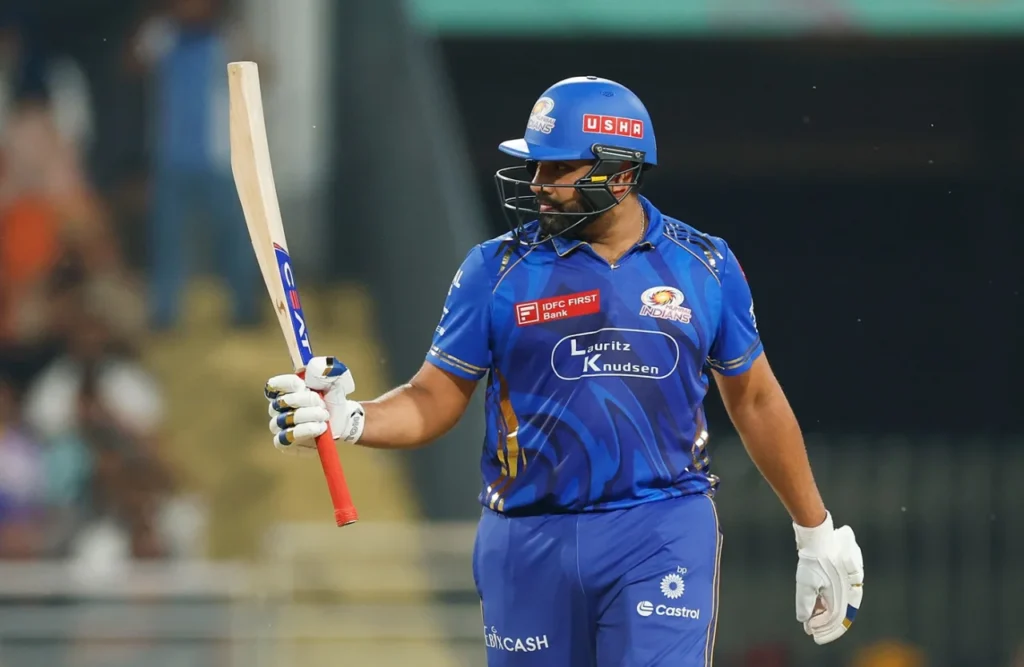
Rohit Sharma Trophy King
If IPL greatness is measured purely by championships, Rohit Sharma emerges as one of the strongest contenders for the baap of IPL title. As captain of Mumbai Indians, Rohit led the franchise to multiple titles, transforming MI into a powerhouse that dominated entire phases of the tournament.
His leadership style differs from Dhoni’s calm conservatism; Rohit blends aggression with tactical flexibility, frequently making bold bowling changes and field adjustments. As a batter, he has delivered several crucial innings in playoffs and finals, demonstrating his ability to perform when stakes are highest.
Unlike flashy power hitters, Rohit often plays anchor roles, stabilizing innings before accelerating. His success in building a winning team culture also deserves credit — Mumbai Indians consistently produced match-winners across seasons. Fans who prioritize silverware, dynasty building, and consistent team dominance often declare Rohit Sharma the baap of IPL.
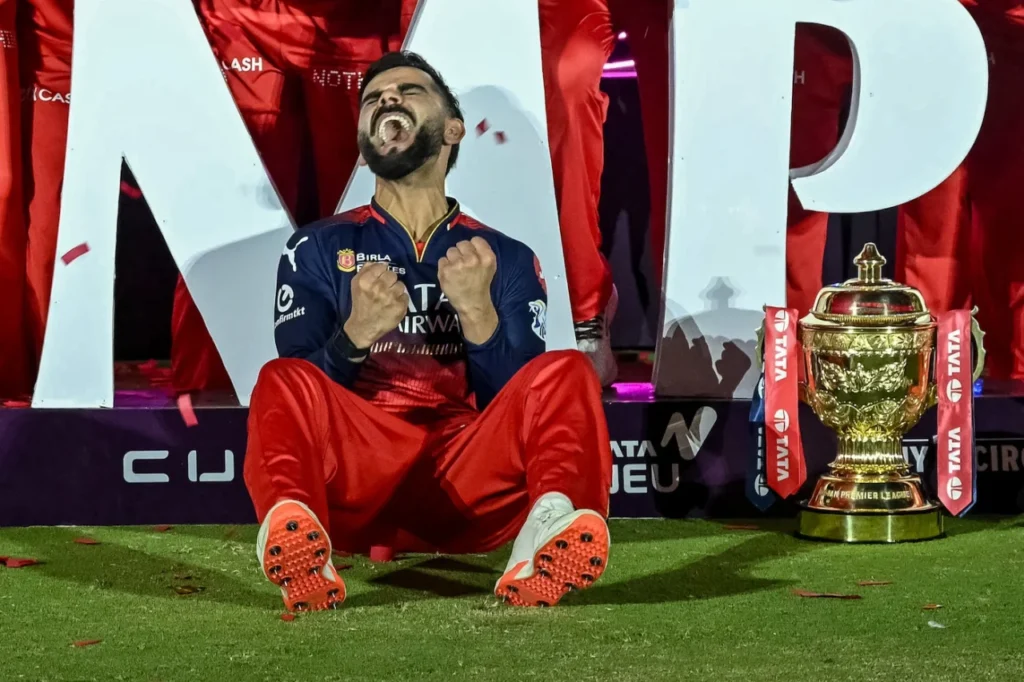
Virat Kohli The Ultimate Run Machine
When the debate shifts toward individual batting dominance, Virat Kohli stands at the top. Representing Royal Challengers Bangalore since the league’s inception, Kohli holds the record for most runs in IPL history. His consistency across seasons is extraordinary, with numerous 500+ run campaigns. The 2016 season remains one of the greatest individual performances ever, featuring multiple centuries and a record-breaking run tally.
Kohli’s intensity, fitness, and hunger for runs make him a nightmare for bowlers in all conditions. He excels in both chasing and setting targets, adapting his tempo based on match requirements. Despite fewer team titles compared to CSK or MI, his personal impact on the tournament is unmatched. Fans who believe statistics define greatness often answer the question “who is baap of IPL” with Virat Kohli.
Chris Gayle The Most Destructive Power Hitter
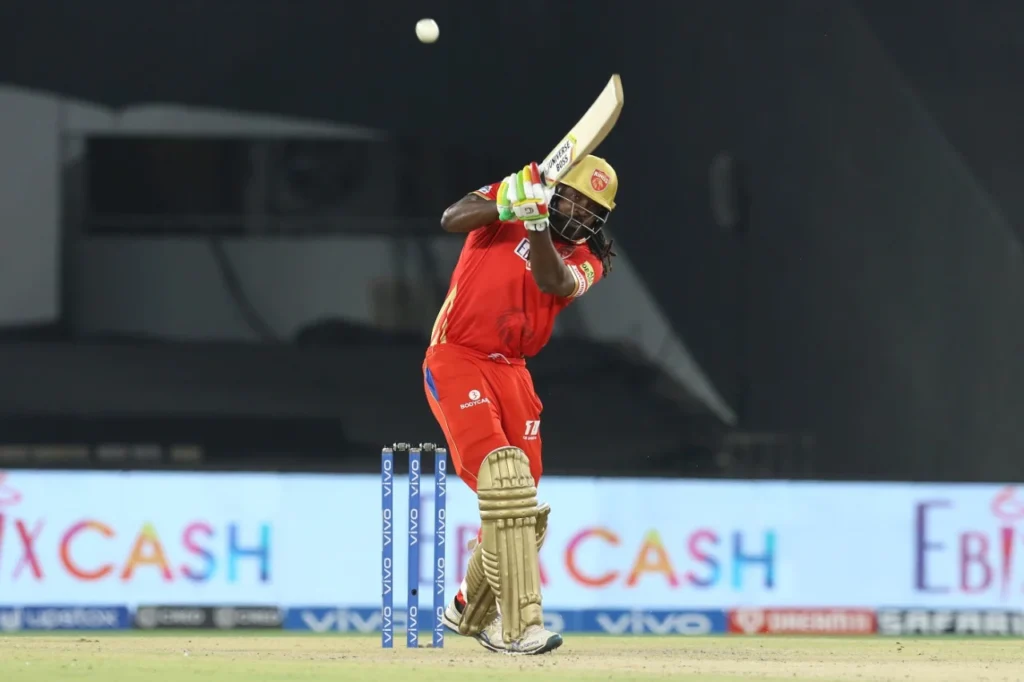
Chris Gayle revolutionized T20 batting and became one of the IPL’s biggest global icons. Known as the “Universe Boss,” Gayle’s ability to hit massive sixes changed how teams approached powerplay overs. He holds records for some of the fastest centuries and highest individual scores in IPL history.
When Gayle was in form, bowlers had almost no safe areas to bowl, forcing captains into defensive strategies early in the game. His presence alone could intimidate opposition teams. Unlike anchor batters, Gayle could single-handedly win matches within a few overs.
He also brought entertainment value that aligned perfectly with IPL’s commercial success. Fans who equate dominance with raw match-winning explosiveness often label Gayle the baap of IPL power hitting.
Key Statistical Comparison of Major Contenders
| Player | Primary Role | Major Strength | Legacy Factor |
|---|---|---|---|
| MS Dhoni | Captain/Finisher | Leadership & clutch chases | Sustained team success |
| Rohit Sharma | Captain/Batter | Trophy dominance | Dynasty building |
| Virat Kohli | Top-order Batter | Run consistency | Statistical supremacy |
| Chris Gayle | Opener | Power hitting | Entertainment & destruction |
This table shows that each contender dominates a different dimension of the game, which explains why the debate has no universally accepted answer.
Impact in High-Pressure Matches
One of the most important criteria in determining who is baap of IPL is performance under pressure. Knockout games, finals, and must-win matches separate legends from ordinary players. Dhoni’s calm finishing in tense chases, Rohit’s captaincy decisions in finals, Kohli’s ability to anchor difficult run chases, and Gayle’s explosive match-winning innings all demonstrate different forms of clutch performance.
Pressure situations magnify weaknesses, yet these players repeatedly delivered when failure meant elimination. Their ability to control nerves while millions watched worldwide elevated them to legendary status. Many fans believe true greatness in IPL is defined not by regular-season stats but by performances on the biggest stage.
Consistency Across Seasons
Another crucial factor is how long a player remains dominant. IPL careers span over a decade for some legends, making sustained excellence rare. Dhoni has remained relevant from 2008 to the present era, guiding CSK through generational changes. Rohit’s captaincy success extended across multiple championship cycles.
Kohli’s run-scoring consistency persisted even as bowling standards improved. Gayle maintained destructive form well into his late thirties. Longevity demonstrates adaptability — players must adjust to new bowlers, tactics, and formats. Fans often view long-term dominance as stronger evidence of greatness than short bursts of brilliance.
Influence Beyond Statistics
Numbers alone cannot measure a player’s true impact on IPL. Leadership, mentorship, brand value, and fan connection play equally important roles. Dhoni’s trust in young players transformed unknown talents into international stars. Rohit’s calm dressing-room environment allowed players to perform without fear. Kohli’s aggressive energy inspired teammates and elevated competitive intensity.
Gayle’s charisma attracted global audiences, expanding IPL’s reach beyond traditional cricket markets. These intangible contributions shape the league’s culture and commercial success. Therefore, when discussing who is baap of IPL, influence off the field becomes just as important as on-field achievements.
Fan Perspective
IPL fandom is deeply emotional, often tied to regional identity and franchise loyalty. Supporters of Chennai Super Kings naturally favor Dhoni, while Mumbai Indians fans champion Rohit. Royal Challengers Bangalore followers passionately defend Kohli despite fewer titles.
Neutral fans may prefer Gayle for his entertainment factor. Social media amplifies these loyalties, turning debates into viral discussions. Because the “baap” title is unofficial, fan perception ultimately determines the answer. Emotional connection sometimes outweighs statistical evidence, making the debate perpetual and dynamic.
Also Read: India National Cricket Team Vs South Africa National Cricket Team Stats
Evolution of the IPL
The IPL continues to evolve, producing new stars every season. Younger players deliver match-winning performances that challenge established legends. Changes in rules, pitches, and strategies also affect comparisons across eras. Power hitting has become more common, scoring rates have increased, and teams rely heavily on data analytics.
While new players may dominate temporarily, sustaining excellence over many seasons remains the true test. Until someone matches the longevity and influence of past legends, the traditional contenders for baap of IPL remain unchanged.
Leadership vs Individual Brilliance
The debate often boils down to leadership versus individual performance. Captains like Dhoni and Rohit shape team success through strategy and decision-making, while players like Kohli and Gayle dominate through personal brilliance.
Leadership impacts every match indirectly, whereas batting heroics directly change scoreboards. Some fans value the ability to build winning teams; others prioritize individual match-winning ability. This philosophical divide ensures that the question who is baap of IPL never has a single definitive answer.
Cultural Impact on T20 Cricket
IPL is not just a tournament; it is a cultural phenomenon that influences global cricket trends. Players who redefine how T20 cricket is played gain legendary status. Gayle’s six-hitting revolution changed batting approaches worldwide.
Kohli’s fitness standards raised expectations for professional athletes. Dhoni’s finishing blueprint influenced how teams structure lower-order batting. Rohit’s captaincy success inspired franchise leadership models. Their combined impact extends far beyond IPL statistics, shaping the future of T20 cricket itself.
Final Verdict Who Is Baap of IPL?
After analyzing leadership, records, trophies, consistency, pressure performance, and influence, it becomes clear that there is no single universally accepted baap of IPL. However, if one player must be highlighted as the most complete embodiment of IPL greatness, MS Dhoni often emerges as the leading candidate due to his unmatched combination of leadership, longevity, and clutch finishing.
Rohit Sharma follows closely because of his extraordinary trophy record. Virat Kohli represents statistical supremacy, while Chris Gayle symbolizes raw T20 power and entertainment. Ultimately, the answer depends on what fans value most — championships, runs, impact, or spectacle.
In reality, the IPL’s greatness comes from the coexistence of these legends rather than the dominance of one. The debate itself keeps fans engaged season after season, ensuring that the question “who is baap of IPL” remains one of the most fascinating discussions in cricket.
FAQs
Q1: Who is baap of IPL most often?
MS Dhoni is most commonly called the baap of IPL due to his leadership, titles, and clutch performances. Many fans see him as the ultimate IPL icon.
Q2: Is Rohit Sharma also considered the baap of IPL?
Yes, because he has captained Mumbai Indians to multiple titles. His trophy record makes him a strong contender for the title.
Q3: Why do some fans call Virat Kohli the baap of IPL?
Kohli holds the record for most runs in IPL history. His consistency and dominance with the bat drive this opinion.
Q4: Does “who baap of IPL” have an official definition?
No, it is purely a fan-made title. It usually refers to the most dominant or influential player in the league.
Q5: Can new players become the baap of IPL in the future?
Yes, if they dominate for many seasons with records and titles. Long-term impact is key to earning this status.