

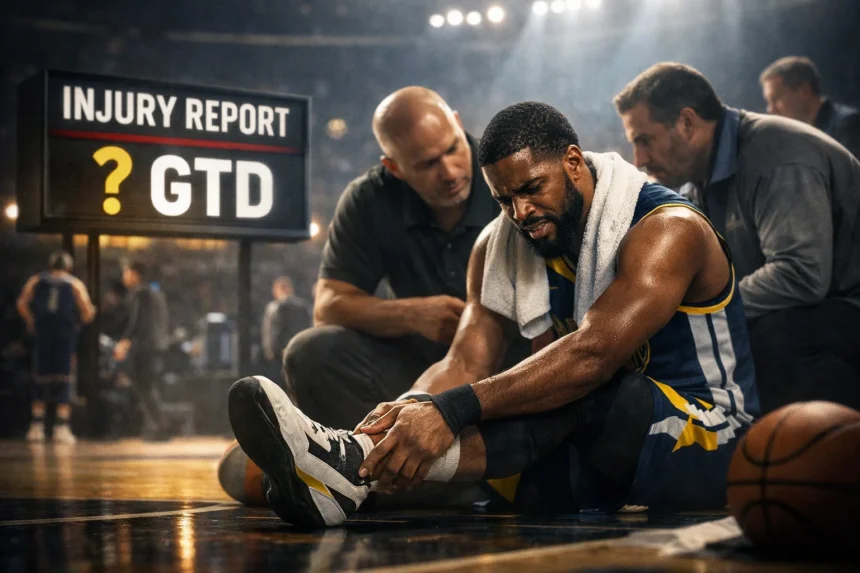
If you follow basketball news, injury reports, or pre-game updates, you may often see the abbreviation GTD next to a player’s name. Many fans, especially those who are new to the sport, wonder what does GTD mean in basketball and why this short term appears so frequently in sports coverage. Understanding what does GTD mean in basketball can help fans follow injury updates, team strategies, and lineup changes more clearly before a game begins.
What Does GTD Mean in Basketball?
In basketball, GTD stands for “Game-Time Decision.” When people ask what does GTD mean in basketball, the simple answer is that a player’s participation in the game has not yet been fully confirmed. Instead, the final decision will be made shortly before tip-off. Coaches, trainers, and medical staff usually evaluate the player during warmups to decide whether the athlete is healthy and ready to play.
The term is widely used in professional leagues such as the National Basketball Association, where teams regularly publish injury reports before games. In these reports, fans often look for updates to understand what does GTD mean in basketball and how it may affect the upcoming match. When a player is listed as GTD, it signals that the situation is still uncertain and the final call will be made at the last moment.
Why Players Are Listed as GTD
To better understand what does GTD mean in basketball, it is important to know why players receive this status. Usually, the GTD label is connected to a player’s health, recovery process, or physical readiness before the game begins.
Basketball is a physically demanding sport that requires constant running, jumping, and physical contact. Because of this, players often deal with minor injuries or fatigue that may not completely rule them out but still require careful monitoring before they are allowed to play.

Minor Injuries
One of the most common situations that explains what does GTD mean in basketball is minor injury management. Players may suffer small issues such as ankle sprains, muscle tightness, knee soreness, or mild back pain during previous games or training sessions.
These injuries may not be serious enough to automatically keep a player out of the game, but the medical staff still needs to check the player’s condition carefully. If the player feels comfortable during warmups and shows good movement, the coaching staff may allow them to participate. However, if pain or discomfort remains, the team may choose to rest the player to avoid making the injury worse.
Fatigue and Physical Recovery
Another common reason related to what does GTD mean in basketball is physical fatigue. In professional leagues like the National Basketball Association, teams sometimes play several games within the same week. This demanding schedule can cause tiredness, soreness, and reduced performance.
Coaches and trainers may wait until game day to evaluate how the player’s body feels. If the athlete has recovered well, they may be cleared to play. If fatigue is still affecting their performance or increasing the risk of injury, the player may be held out of the game.
Illness or Temporary Health Issues
Sometimes the answer to what does GTD mean in basketball involves illness rather than injury. A player might be dealing with temporary issues such as a cold, flu symptoms, dehydration, or headaches.
In these situations, teams usually wait until closer to game time to monitor the player’s condition. If the athlete begins to feel better, they might still participate in the game. However, if the illness continues or worsens, the team may rest the player to protect their overall health.
How GTD Affects Team Strategy
Understanding what does GTD mean in basketball is also important because it directly affects team strategy. When a player is listed as a Game-Time Decision, coaches must prepare for two possible scenarios: the player playing in the game or the player being unavailable.
For example, if a star player like Stephen Curry from the Golden State Warriors is listed as GTD, the coaching staff must create backup plans. If he is cleared to play, the offense will run normally around his shooting and playmaking skills. However, if he cannot play, the team must adjust their lineup and rely on other players to take on larger responsibilities.
Because of this uncertainty, teams often prepare multiple tactical approaches before the game begins. Bench players may also be told to prepare for extra minutes in case the GTD player is ruled out shortly before tip-off.
Also Read: How Many Super Bowl Rings Does Bill Belichick Have
GTD vs Other Injury Status Terms
When people search what does GTD mean in basketball, they often encounter other injury status terms as well. Sports injury reports include several classifications that describe a player’s availability.
Game-Time Decision (GTD) means the final decision about the player will be made just before the game starts.
Questionable indicates that the player has a moderate chance of playing but still faces uncertainty due to injury or recovery issues.
Probable suggests that the player is likely to play but may still be managing a minor health issue.
Out clearly means the player will not participate in that particular game.
These categories help teams communicate injury updates clearly to fans, media outlets, and analysts while still giving the coaching staff flexibility to make last-minute decisions.
Why Fans and Analysts Pay Attention to GTD
Many fans pay close attention to GTD updates because knowing what does GTD mean in basketball can help them understand how a game might unfold. A single player’s availability can significantly influence team performance and match outcomes.
For example, if a superstar like LeBron James from the Los Angeles Lakers is listed as a Game-Time Decision, fans and analysts watch closely for the final update. His presence or absence could change the team’s scoring ability, defensive strength, and overall chances of winning.
Fantasy basketball players and sports analysts also monitor GTD reports carefully because lineup decisions and predictions often depend on whether a key player will actually take the court.
FAQs
What does GTD mean in basketball injury reports?
GTD means Game-Time Decision, showing a player might play but the final decision happens right before the game.
Teams evaluate the player during warmups before confirming their availability.
Why are players listed as GTD before a game?
Players are listed as GTD when they have minor injuries, fatigue, or illness.
Coaches and medical staff wait until game time to check if the player is fit to play.
Is GTD the same as questionable in basketball?
No, GTD means the final decision will happen right before tip-off.
Questionable simply means the player has an uncertain chance of playing.
Can a GTD player still start the game?
Yes, if the player feels healthy during warmups they can still start the game.
The final lineup is usually confirmed minutes before the game begins.
Do GTD players usually end up playing?
Sometimes they do, but it depends on their physical condition.
If there is risk of injury worsening, the team may rest the player.
Final Thoughts
In simple terms, GTD in basketball means “Game-Time Decision,” which indicates that a player’s availability for the game is still uncertain and will be determined shortly before tip-off. This status is commonly used when a player is recovering from a minor injury, dealing with fatigue, or experiencing a temporary health issue.
Because basketball teams want to protect their players while still remaining competitive, they often wait until the last moment to make the safest decision. For fans, understanding this term helps make sense of injury reports and provides better insight into how teams prepare for each game.